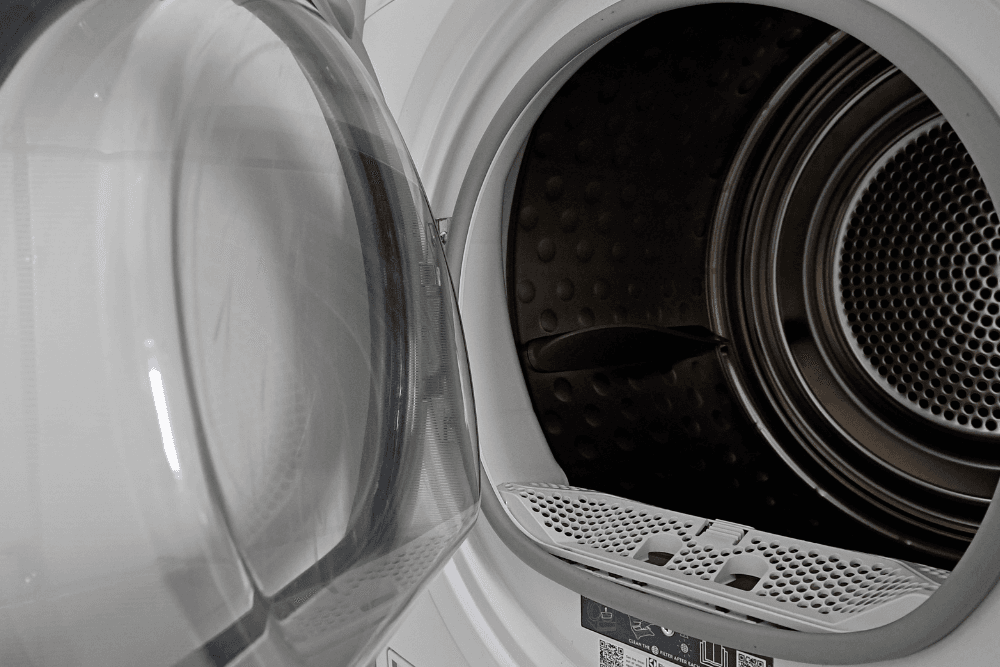
You know that smell. You open the door of your washing machine to throw in a load, and instead of that clean, fresh scent you expect, you're hit with something musty, sour, and unpleasant. It's the kind of odor that makes you second-guess whether your clothes are actually getting clean.
⚠️The Hidden Crisis in Dubai's Laundry Rooms
I've lost count of how many calls I've taken from Dubai homeowners frustrated by smelly washing machines. It's one of the most common—and most misunderstood—problems we see. People assume it's because they're doing something wrong, or worse, that their machine is somehow permanently contaminated.
of smelly washers caused by dirty door gasket
of odors eliminated by cleaning the drain filter
Faster mold growth in Dubai's humidity
Cost of DIY cleaning with vinegar
The Science of the Stink: What's Actually Causing That Smell?
Before we can fix the problem, you need to understand what's happening inside your machine. That unpleasant odor isn't magic—it's biology and chemistry working together in the worst possible way.
The smell is caused by biofilm—a slimy layer of bacteria, mold, and yeast that builds up in the moist, dark environment of your washing machine.
| Culprit | What It Does | Where It Hides |
|---|---|---|
| Mold and mildew | Produces musty, earthy odors | Rubber door gasket, detergent drawer |
| Bacteria | Creates sour, rotten smells | Drain pump, hose interiors, drum surface |
| Biofilm | Sticky layer where microbes thrive | Everywhere water sits |
| Detergent residue | Food for bacteria | Dispenser drawer, drum, hoses |
| Hard water minerals | Traps odors and protects bacteria | Heating element, drum surface |
In Dubai, we have an additional factor: high humidity. Your washing machine, especially a front-loader, is essentially a dark, damp box. When you close the door after a wash, you're sealing in moisture that becomes the perfect breeding ground for microbes.
Why Dubai's Environment Makes Smelly Washers Worse
💧High humidity
Slows drying inside the drum, keeps surfaces wet longer.
💎Hard water
Minerals provide surface for biofilm to attach and grow.
🔥Heat
Speeds up bacterial growth and chemical reactions.
❄️Air conditioning
Creates temperature differences that cause condensation inside the machine.
💧Infrequent use of hot water
Many Dubai residents wash in cold water, which doesn't kill bacteria.
I've seen machines that are only two years old smell worse than ten-year-old machines in cooler, drier climates. It's not your fault—it's the environment.
The 5 Most Common Causes of Smelly Washing Machines in Dubai
Based on hundreds of service calls across Dubai, here are the five most common reasons your washer stinks.
The Door Gasket (Rubber Seal) is Moldy
This is the number one cause, especially in front-loading machines. The rubber gasket that seals the door has folds and crevices where water collects. After every wash, a small amount of soapy water sits in these folds. Over time, it becomes a breeding ground for black mold and mildew.
What it looks like:
Black or dark gray spots in the rubber folds. Sometimes a slimy film.
What it smells like:
Musty, earthy, like a damp basement.
Why it's worse in Dubai:
Our humidity means the gasket never fully dries between washes.
Detergent and Fabric Softener Buildup
This one surprises people. You think you're cleaning your clothes, but you're actually leaving residue behind—especially if you use too much detergent or fabric softener.
What happens:
Detergent and softener don't fully dissolve, especially in cold water. They accumulate in the dispenser drawer, the drawer housing, and even inside the drum. This residue is organic material, which means bacteria love to eat it and multiply.
What it smells like:
Sour, sometimes like vomit (yes, really—that's a specific type of bacteria).
Why it's worse in Dubai:
Many Dubai residents use more detergent than needed, thinking it will clean better. It doesn't. It just leaves more residue.
Clogged Drain Pump Filter
The drain pump filter is designed to catch lint, coins, buttons, and debris. When it gets clogged, water can't drain completely. That standing water becomes stagnant and smells terrible.
What it looks like:
You need to check—it's behind the small access panel at the bottom front of the machine.
What it smells like:
Rotten, sewage-like. This is usually the strongest smell.
Why it's worse in Dubai:
Sand and mineral deposits from hard water combine with lint to create a paste that clogs filters faster.
Biofilm Inside the Drum and Hoses
Even if you can't see it, a thin layer of biofilm can coat the inside of your drum, hoses, and even the outer tub. This slimy layer traps bacteria and odors.
What it looks like:
Sometimes you can't see it at all. Sometimes it appears as a slippery film on the drum surface.
What it smells like:
Musty, but less intense than a clogged filter—until you run a cycle, and then your clothes smell.
Stagnant Water in Unused Machines
This is common in Dubai villas or apartments with guest accommodations. If you don't use your washing machine for a week or more, the small amount of water left in the pump and hoses can stagnate.
What it smells like:
When you finally run a cycle, the first wash smells terrible.
The 7-Step DIY Guide to Eliminating Washing Machine Odors
Good news: most smelly washer problems can be solved with household items and a little elbow grease. Here's my proven method for getting your machine fresh again.
What You'll Need:
- White vinegar (cheap, plain white vinegar—at least 2-3 liters)
- Baking soda
- An old toothbrush or small scrub brush
- Microfiber cloths
- A washing machine cleaner tablet (optional, but helpful)
Clean the Door Gasket Thoroughly
This is the most important step. Open the door and pull back the rubber gasket. You'll likely find black mold, lint, and grime hiding in the folds.
How to do it: Mix a solution of equal parts white vinegar and water. Dip your toothbrush in the solution and scrub every fold of the gasket. Pay special attention to the bottom where water pools. Wipe away loosened debris with a cloth. For stubborn black mold, apply undiluted vinegar directly and let it sit for 10 minutes before scrubbing.
Pro tip: Some gaskets have drainage holes at the bottom. Make sure they're clear—poke them gently with a toothpick if needed.
Remove and Clean the Detergent Drawer
Pull out the detergent drawer completely. On most machines, there's a release tab you press to remove it fully.
How to do it: Take the drawer to your sink and rinse with hot water. Use your toothbrush to scrub all compartments, especially where fabric softener goes (it's the biggest culprit for buildup). Look inside the drawer housing (the space where the drawer sits). You'll probably find mold and old detergent there too. Spray vinegar into the housing and wipe clean with a cloth.
Clean the Drain Pump Filter
This is where the worst smells often hide. Place towels on the floor in front of the machine—water will spill.
How to do it: Locate the small access panel at the bottom front of your machine. Open it slowly and place a shallow tray underneath. Twist the filter cap counterclockwise and let water drain into your tray. Pull the filter completely out. Brace yourself—it might be disgusting. Clean the filter thoroughly under running water. Remove lint, coins, and that mysterious dark sludge. While the filter is out, shine a flashlight into the opening. Remove any visible debris. Replace the filter and close the panel.
Run a Hot Vinegar Cycle
Now for the deep clean. This will kill bacteria and dissolve buildup inside the drum and hoses.
How to do it: Pour 2 cups of white vinegar directly into the drum. Pour another cup into the detergent drawer (main wash compartment). Run the hottest, longest cycle your machine has—usually labeled "Cotton" or "Heavy Duty" at 90°C. Let the cycle complete.
Run a Baking Soda Cycle
Vinegar cleans and disinfects. Baking soda deodorizes and neutralizes any remaining smells.
How to do it: After the vinegar cycle finishes, sprinkle 1/2 cup of baking soda into the drum. Run another hot cycle (60°C is fine this time).
Wipe Everything Dry
This step is crucial. After the cycles finish, leave the door open for at least an hour. Then:
How to do it: Use a dry microfiber cloth to wipe the drum, door glass, and door gasket. Leave the detergent drawer slightly open to allow air circulation. Leave the main door open.
Repeat Monthly as Maintenance
Once your machine is fresh, keep it that way. Repeat steps 1-6 once a month.
Quick Reference: DIY Smelly Washer Fix
| Step | What to Do | How Often |
|---|---|---|
| 1 | Clean door gasket with vinegar | Monthly |
| 2 | Remove and clean detergent drawer | Monthly |
| 3 | Clean drain pump filter | Monthly |
| 4 | Run hot vinegar cycle | Monthly |
| 5 | Run baking soda cycle | Every 3 months |
| 6 | Wipe everything dry | After every wash |
| 7 | Leave door open | After every wash |
📍Real Dubai Case Study: The JLT Apartment Mystery
The Situation
A young professional in JLT had a front-loader less than two years old that smelled terrible. Clothes came out worse than they went in. She'd tried extra detergent and expensive cleaners—nothing worked.
The Diagnosis
Thick black mold in the bottom fold of the gasket and a drain filter completely clogged with lint and a sock.
The Fix
AED 250
20 minutes scrubbing + filter cleaning + vinegar cycle
Result: Machine smelled brand new. She now leaves the door open after every wash.
Moral of the story: Simple maintenance prevents nasty smells. You don't need expensive products—you need the right habits.
When DIY Isn't Enough: Signs You Need Professional Help
1. The smell returns within days
If you've cleaned everything and the odor comes back quickly, you可能有 a deeper issue—biofilm deep inside the outer tub that you can't reach, or a drain hose that's partially blocked and holding stagnant water.
2. You've never cleaned the filter (and it's been years)
If your machine is more than 3-4 years old and you've never cleaned the drain filter, there could be years of accumulated debris that requires professional disassembly to remove.
3. Water is draining slowly
If water pools in the drum after cycles, you可能有 a partial drain blockage that needs professional attention.
4. The machine is making strange noises
Grinding or gurgling sounds combined with smells indicate mechanical issues—possibly a failing pump or blocked hose.
5. You've tried everything and it still stinks
Sometimes, the biofilm has built up so thickly inside the machine that household cleaning won't touch it. We have industrial-strength cleaners and specialized tools to break it down.
What Professional Deep Cleaning Involves
| Service | What We Do |
|---|---|
| Complete disassembly cleaning | Remove and clean the detergent drawer housing, door gasket (sometimes remove it entirely), and visible hoses |
| Drain pump removal and cleaning | Fully remove pump, clean impeller, and clear housing of all debris |
| Drum and outer tub cleaning | Use industrial-strength biofilm removers that break down years of buildup |
| Hose inspection and cleaning | Check drain and inlet hoses for blockages, clean or replace as needed |
| Hot water flush | Run multiple high-temperature cycles with professional cleaning agents |
| Final inspection | Ensure everything is draining properly and no odors remain |
This takes 1-2 hours and costs a fraction of what you'd spend on a new machine.
Preventive Maintenance: Keep Your Washer Smelling Fresh
Once your machine is clean, here's how to keep it that way.
After Every Wash
- ✓Leave the door open – allows the drum to dry
- ✓Leave the detergent drawer open – lets the dispenser dry
- ✓Wipe the door gasket – removes moisture from rubber folds
Weekly
- ✓Quick visual check – look for mold starting in the gasket
- ✓Run an extra rinse – if you used too much detergent
Monthly
- ✓Clean the door gasket – scrub folds with vinegar
- ✓Clean the detergent drawer – remove and scrub
- ✓Clean the drain filter – remove lint and debris
- ✓Run a maintenance wash – hot cycle with vinegar
Common Mistakes That Make Smells Worse
Mistake #1: Using Too Much Detergent
More detergent doesn't mean cleaner clothes. It means more residue left behind, which feeds bacteria. Use the amount recommended on the package—usually 1-2 tablespoons for a normal load.
Mistake #2: Using Fabric Softener
Fabric softener coats your clothes with waxy residue—and it coats your machine too. That residue builds up in the drum, hoses, and dispenser, creating a perfect food source for bacteria. If you have a smelly washer, stop using fabric softener immediately.
Mistake #3: Closing the Door Immediately After a Wash
I see this constantly. People finish a wash, grab their clothes, and slam the door shut. That traps all the moisture inside. Leave it open for at least an hour—preferably until the next wash.
Mistake #4: Ignoring the Filter
The drain filter is out of sight, out of mind—until your machine won't drain and smells like a sewer. Set a monthly reminder on your phone. It takes two minutes.
Mistake #5: Using Cheap, Scented Cleaning Products
Those scented washing machine cleaners often just mask the smell temporarily. They don't kill the bacteria or remove the biofilm. Vinegar and baking soda are more effective and cheaper.
Frequently Asked Questions About Smelly Washing Machines
Q: Why does my washing machine smell like rotten eggs?
A: That's hydrogen sulfide gas, produced by bacteria breaking down organic matter in stagnant water. It's almost always caused by a clogged drain filter or drain hose holding water. Clean your filter immediately.
Q: Can I use bleach to clean my washing machine?
A: Yes, but carefully. Bleach is effective at killing mold and bacteria, but it can damage rubber seals over time and produce harmful fumes if mixed with other cleaners. If you use bleach, run an extra rinse cycle afterward. I personally prefer vinegar—it's safer and still effective.
Q: How often should I clean my washing machine in Dubai?
A: With our humidity and hard water, I recommend a monthly maintenance routine. Clean the gasket, drawer, and filter monthly, and run a hot vinegar cycle every month. If you use your machine less frequently, you might stretch to every 2 months—but monthly is ideal.
Q: My clothes smell bad after washing. Is it the machine or something else?
A: If your machine smells bad, your clothes will absorb that smell. Fix the machine first. Also, check that you're not leaving wet clothes in the machine for hours—that's a recipe for mildew on clothes themselves.
Q: Can hard water cause smelly washing machines?
A: Absolutely. Hard water minerals provide a surface for biofilm to attach. They also react with detergents to form soap scum, which bacteria love. If you have very hard water, consider installing a water softener or using a washing machine descaler regularly.
Q: How much does professional washing machine cleaning cost in Dubai?
A: Professional deep cleaning typically ranges from AED 300-500, depending on the machine type and severity of buildup. It's much cheaper than replacing a machine and can extend its life significantly.
Why Dubai Trusts Dubai Repair Pro for Washing Machine Maintenance
10+ years experience
We've seen every type of buildup and smell imaginable.
Thorough approach
We don't just mask smells—we eliminate the source.
Transparent pricing
Fixed quotes before we start.
Same-day service
Most Dubai areas, 7 days a week.
Preventive advice
We teach you how to keep your machine fresh.
90-day guarantee
If the smell returns, we return.
A Smelly Washing Machine is Frustrating, but Fixable
In 90% of cases, the DIY steps I've outlined here will solve the problem completely. Clean the gasket. Clean the drawer. Clean the filter. Run a hot vinegar cycle. Leave the door open.
But if you've tried everything and the smell persists—or if you just want the peace of mind that comes with a professional deep clean—we're here to help.
📚 Related Articles
LG Error Codes Explained (LE, UE, OE)
Complete guide to LG error codes and how to fix them in Dubai.
Read More →Samsung Not Spinning? 7 Common Causes
Diagnose and fix Samsung washer spin problems.
Read More →Bosch EcoSilence Drive: Specialized Care
Why Bosch machines need expert attention in Dubai.
Read More →